Understanding Social Skills Programs for Autism
Social skills programs play a pivotal role in the development of children with autism, particularly in enhancing their ability to interact with peers and navigate social situations. These programs are designed to provide structured environments where children can practice and learn essential social skills. In Burlington, various resources are available, making it crucial for parents and caregivers to explore options that best suit their child's needs. When exploring options, Social skills program for autism Burlington provides comprehensive insights into building confidence and communication skills in children with autism.
What are Social Skills Programs?
Social skills programs are structured interventions aimed at teaching children the social behaviors and communication strategies necessary for effective interaction. These programs often employ a mix of direct teaching, role-playing, and real-life practice. They can be implemented in various settings, including schools, community centers, and private practices.
Importance of Social Skills for Children with Autism
Children with autism may struggle with social interactions due to challenges in understanding social cues, non-verbal communication, and emotional recognition. Developing social skills is vital for fostering relationships and ensuring successful interactions in various environments, such as home, school, and community. These skills not only enhance communication but also build confidence and independence.
Overview of Available Programs in Burlington
Burlington offers a range of social skills programs tailored for children with autism, varying in approach and methodology. From group sessions led by trained professionals to individual coaching, these programs address specific needs and encourage peer engagement. Parents can evaluate the effectiveness of programs based on their child’s interests and social challenges.
Challenges Faced by Children with Autism
Common Social Interaction Difficulties
Children with autism frequently encounter barriers in social interactions, including difficulty initiating conversations, understanding jokes or idioms, and interpreting body language. These challenges can lead to feelings of isolation or frustration, making it crucial for them to receive targeted support through social skills training.
Barriers to Accessing Social Skills Programs
Accessing social skills programs can be challenging due to factors such as availability, costs, and awareness. Some families may not know about existing programs, while others might find it difficult to afford the necessary services. Additionally, geographical limitations may hinder access to quality programs, especially in rural areas.
Misconceptions about Autism and Social Skills
There are numerous misconceptions surrounding autism, one of which is the belief that individuals with autism lack a desire for social interaction. In reality, many children with autism wish to connect with others but may struggle to do so effectively. Clear understanding and awareness are essential for addressing these misconceptions and promoting inclusion.
Effective Strategies for Social Skills Development
Best Practices in Teaching Social Skills
To effectively teach social skills, it’s essential to employ evidence-based practices. Techniques such as modeling appropriate behaviors, using visual supports, and providing immediate feedback can significantly enhance learning outcomes. Individualized approaches tailored to each child’s unique strengths and challenges are crucial in fostering success.
Role of Group Activities and Peer Interaction
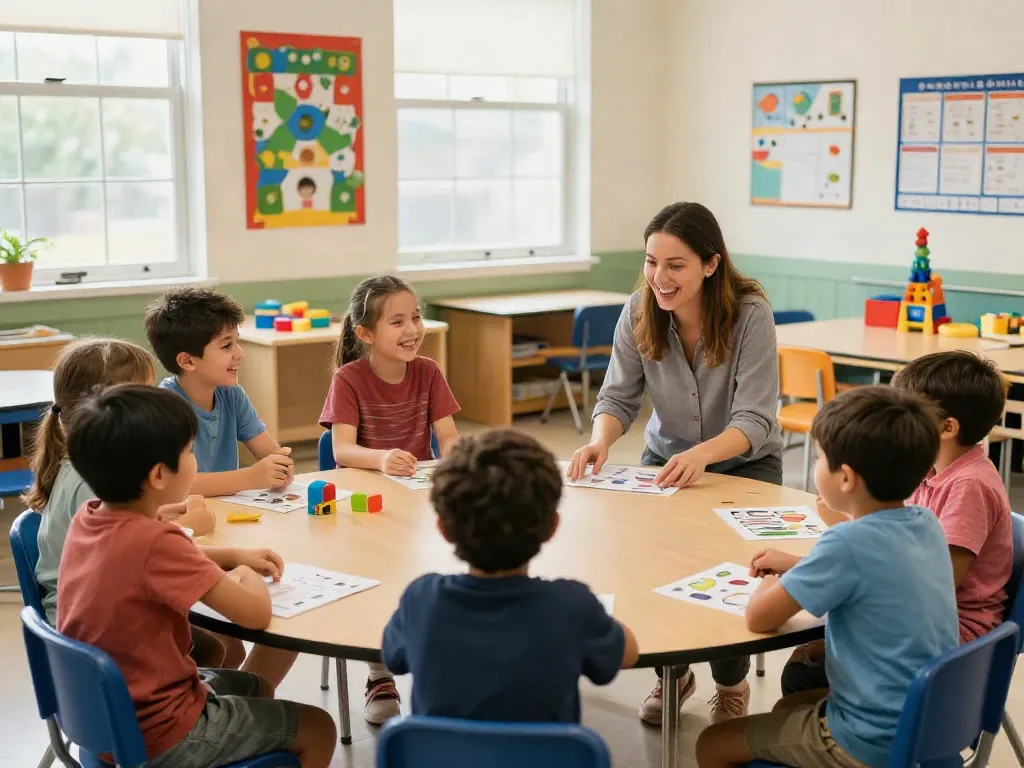
Group activities can provide a supportive environment that encourages social interaction among peers. Engaging in cooperative games, role-playing scenarios, and group discussions allows children to practice skills in a safe setting. These interactions help to build friendships and reinforce learned behaviors.
Incorporating Technology in Social Skills Training
Technology can play a significant role in developing social skills among children with autism. Various apps and online programs focus on social skills training, providing interactive and engaging ways for children to learn. Incorporating technology not only makes learning fun but can also provide immediate feedback and reinforcement.
Success Stories from Local Programs
Case Studies of Effective Social Skills Programs
Several local programs in Burlington have shown promising results in enhancing social skills among children with autism. For instance, programs that utilize peer mentoring, where older children guide younger participants, have effectively increased social engagement and confidence.
Parent Testimonials and Experiences
Feedback from parents who have enrolled their children in social skills programs can provide valuable insights. Many report significant improvements in their child's ability to engage with peers and navigate social situations. These testimonials highlight the importance of ongoing support and encouragement from both professionals and family members.
Measuring Progress in Social Skills Development
Measuring the effectiveness of social skills training is vital for understanding its impact on a child's development. Regular assessments, observation of interactions, and feedback from both parents and educators can help track progress and determine areas that may need further attention.
Future Trends in Social Skills Programs
Emerging Techniques and Innovations for 2026
The landscape of social skills programs is continually evolving, with emerging techniques such as virtual reality and gamification expected to gain traction in 2026. These innovations provide immersive experiences that allow children to practice social scenarios in a controlled environment, fostering confidence and skill retention.
Community Involvement and Resources
Community resources play a crucial role in supporting families and children with autism. Organizations that provide workshops, social events, and networking opportunities can facilitate connections and share valuable information about available programs. Building a strong community network is vital for fostering inclusion and understanding.
Preparing for the Future of Social Skills Training
As we look ahead, it is essential for parents, educators, and practitioners to collaborate continuously. By sharing insights and resources, stakeholders can create a more inclusive environment conducive to the growth and development of social skills in children with autism. Keeping abreast of new research and best practices will be fundamental in ensuring effective support for these children.
Where can I find free social skills lessons for people with autism?
Many online platforms and community resources offer free social skills lessons and activities designed for individuals with autism. Local libraries, community centers, and autism organizations may also provide workshops or materials to assist in the development of social skills.
What are some social skills programs for children with autism?
Available social skills programs for children with autism can vary widely, from structured group sessions to individual coaching. Parents are encouraged to research and consider programs that best meet their child’s specific needs and developmental goals.
How can I help my autistic child with social skills?
Supporting an autistic child in developing social skills involves creating opportunities for practice in real-life situations. Encouragement, modeling positive behaviors, and engaging them in social activities can significantly enhance their learning experience.