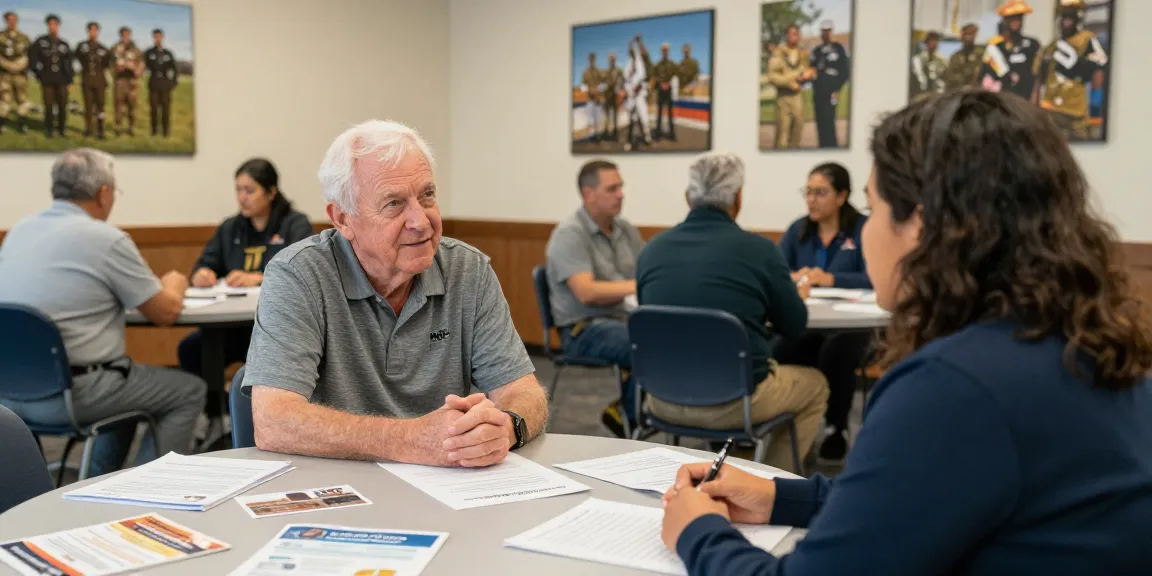
Understanding Veteran Case Management
Veterans often face a unique set of challenges when reintegrating into civilian life, making the role of Veteran case management crucial for their successful transition. This holistic approach not only addresses the immediate needs of veterans but also emphasizes their long-term wellbeing. Understanding what veteran case management entails is the first step towards recognizing its profound importance within veteran communities.
What is Veteran Case Management?
Veteran case management is a tailored process aimed at supporting veterans as they navigate various services and resources after service. It involves assessing a veteran’s needs, planning appropriate interventions, coordinating care, and providing ongoing support. Case managers typically work with veterans facing multifaceted challenges, including mental health issues, employment concerns, housing instability, and access to healthcare services.
Importance of Case Management for Veterans
Effective case management is vital for veterans, as it ensures that they receive comprehensive support tailored to their unique circumstances. This process not only aids veterans in overcoming barriers to care but also empowers them by promoting self-advocacy. Veterans who engage with case management services report higher satisfaction levels and improved outcomes in life areas such as mental health, employment, and social connections.
Key Components of Effective Case Management
- Assessment: Identifying individual needs through thorough evaluation.
- Planning: Developing a personalized care plan to address the veteran's specific challenges.
- Coordination: Linking the veteran with appropriate resources and services.
- Advocacy: Acting on behalf of the veteran to ensure they receive the care and support needed.
- Monitoring: Regular follow-ups and adjustments to the care plan to meet evolving needs.
Challenges in Veteran Case Management
Despite its benefits, veteran case management faces numerous challenges that can hinder the delivery of optimal care. Understanding these barriers is essential to developing effective solutions that enhance access and improve service delivery.
Common Barriers to Accessing Services
Many veterans encounter significant obstacles when trying to access case management services. These include:
- Stigma: Many veterans may feel ashamed to seek help, associating it with weakness.
- Awareness: A lack of knowledge about available resources and services prevents veterans from accessing the support they need.
- Logistical Challenges: Physical distance, transportation issues, and long wait times can deter veterans from pursuing case management.
Misconceptions About Case Management
There are widespread misconceptions that can further complicate veteran access to case management services. Some believe that case management is only for those in extreme distress, overlooking the benefits of proactive support for all veterans. Others may assume that case managers are only available through governmental organizations, neglecting the many community-based programs designed to assist veterans.
Strategies to Overcome Obstacles
To improve access to case management for veterans, several strategies can be employed:
- Community Outreach: Engaging with veterans through outreach programs to raise awareness about available services.
- Building Trust: Creating a supportive environment where veterans feel comfortable seeking help.
- Utilizing Technology: Implementing digital tools to make services more accessible, especially for those in rural areas.
Best Practices for Effective Veteran Case Management
To ensure that veteran case management services are effective, practitioners must adhere to best practices that foster trust, communication, and collaboration.
Building Trust and Rapport
Establishing a trusting relationship between the case manager and the veteran is fundamental. This process involves active listening, empathy, and demonstrating a genuine commitment to the veteran's wellbeing. When veterans feel valued and understood, they are more likely to engage actively with their case management plan.
Utilizing Technology for Better Communication
In the digital age, embracing technology can significantly enhance communication and service delivery. Tools such as telehealth platforms, mobile apps, and online resources enable case managers to stay connected with veterans, facilitating timely interventions and ongoing support.
Collaboration with Local Organizations
Effective case management often requires collaboration with local organizations that offer specialized services. By partnering with community-based entities, case managers can expand the range of resources available to veterans, enhancing overall service delivery and outcomes.
Real-World Applications and Success Stories
To illustrate the impact of veteran case management, it’s important to examine real-world applications and success stories. These narratives highlight the transformative power of effective support.
Case Studies of Successful Veteran Support
Many veterans have benefited significantly from structured case management programs. For example, a veteran struggling with PTSD received comprehensive wraparound services, including counseling, job placement, and housing assistance, leading to a successful reintegration into civilian life.
Testimonials from Veterans and Case Managers
Feedback from both veterans and case managers reinforces the importance of this service. Veterans express gratitude for the support they received in navigating the often-complex landscape of available resources, while case managers find fulfillment in their ability to effect positive change in the lives of those they serve.
Insights from Community Programs
Community-based programs often provide innovative approaches to veteran case management. For instance, some organizations implement peer support networks, allowing veterans to connect with others who have similar experiences, fostering a sense of belonging and mutual support.
The Future of Veteran Case Management
As we look toward 2026, the landscape of veteran case management is poised for evolution, driven by emerging trends and policy changes designed to enhance care.
Emerging Trends and Innovations in 2026
New technologies are set to revolutionize the field of veteran case management. Innovations such as AI-driven assessment tools can offer more personalized care plans, while virtual reality may be used in therapeutic settings to assist veterans coping with trauma.
Policy Changes Impacting Veteran Care
Anticipated policy changes are likely to focus on expanding access to mental health services and improving funding for community-based programs. These changes aim to create a more integrated and responsive veteran care system.
Preparing for the Next Generation of Veterans
As new veterans enter the population, case managers must adapt their approaches to meet evolving needs. This includes understanding the technology-savvy nature of younger veterans and incorporating their preferences into service delivery models.
What does a Veteran Case Manager do?
A veteran case manager serves as a navigator for veterans seeking services, providing support, resources, and advocacy to help them achieve their goals in civilian life.
How can veterans access case management services?
Veterans can access case management services through VA facilities, community organizations, and dedicated nonprofits focused on veteran support.
What are the benefits of veteran case management?
The benefits include improved health outcomes, access to critical resources, stronger community connections, and enhanced quality of life for veterans.
Are there organizations specializing in veteran case management?
Yes, numerous organizations, both governmental and nonprofit, specialize in veteran case management, focusing on a range of services from mental health support to housing assistance.
How is case management evolving for veterans in 2026?
In 2026, veteran case management is expected to utilize advanced technology, foster collaboration among various service providers, and address the unique needs of a diverse veteran population.